
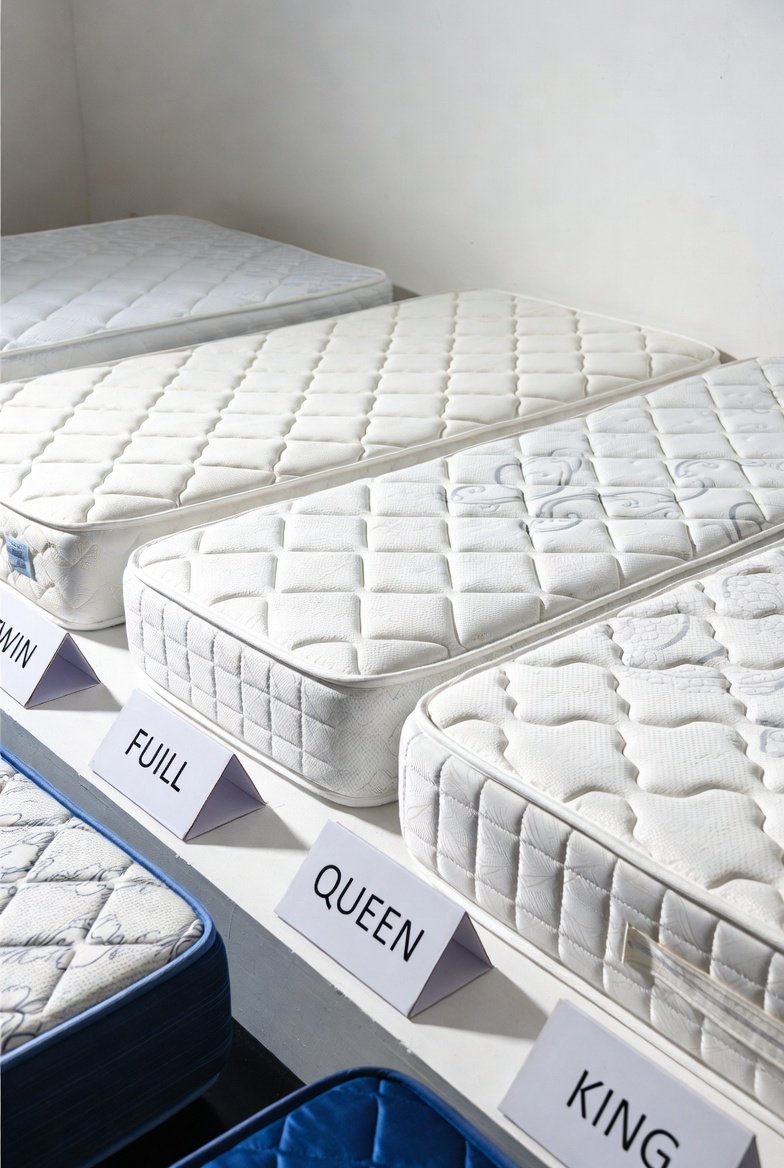
Mattress Size Guide: Mattress Dimensions, Bed Sizes, and How to Choose
Choosing a mattress size isn’t just about “will it fit in the room.” It decides whether you can roll over freely, whether couples sleep without constant disturbance, and whether tall sleepers wake up with feet hanging off the edge.
A mattress can be high quality and still sleep badly if the size is wrong. Crowded sleep increases movement restriction, and for couples it often turns into “micro-wakeups” (light sleep disruptions) even when you don’t remember waking. Many sleep educators note that disruptions and fragmentation—especially from movement and partner disturbance—can reduce sleep quality over time. (sleepfoundation.org)
This mattress size guide gives you:
- a clean bed sizes + dimensions chart
- a 60-second size chooser
- a simple room-fit system (so you don’t buy a bed you can’t live around)
- common mistakes to avoid
- and when it’s worth sizing up.
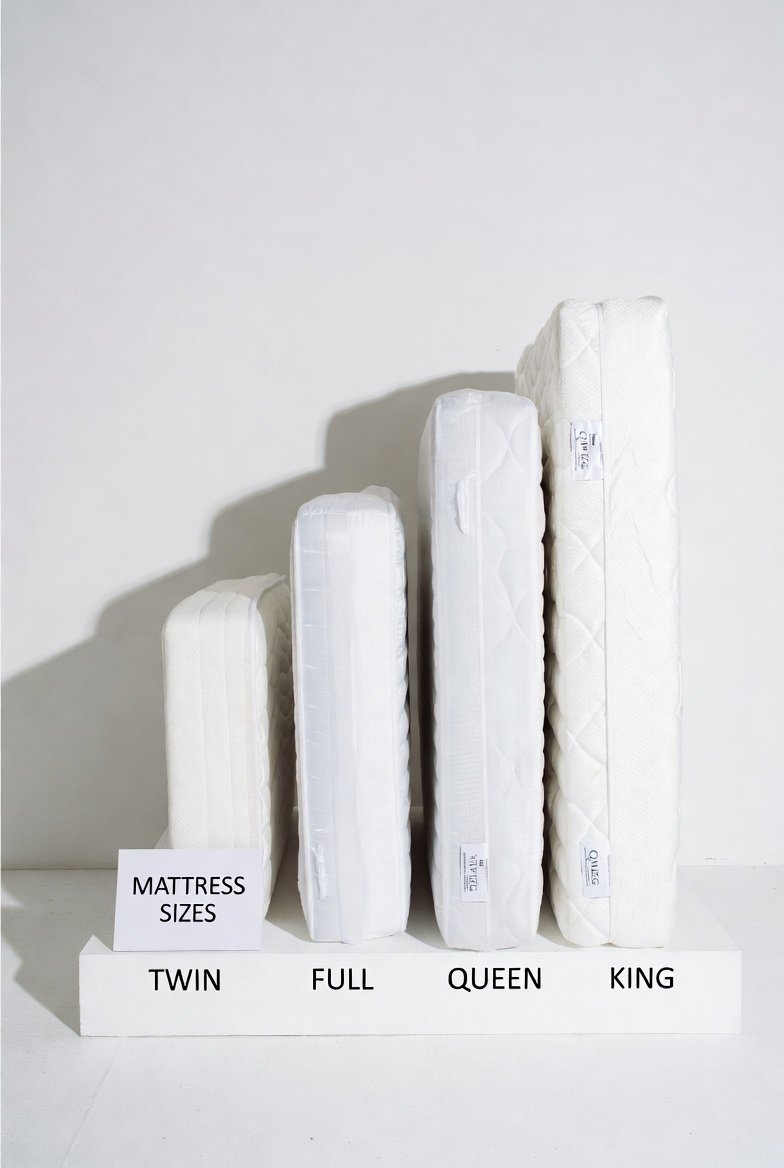
Standard Mattress Sizes and Dimensions (U.S.)
Mattress Size | Dimensions (inches) | Best For |
Twin | 38 × 75 | Kids, bunk beds, small rooms |
Twin XL | 38 × 80 | Tall teens, dorms, single adjustable bases |
Full (Double) | 54 × 75 | Solo sleepers, guest rooms |
Queen | 60 × 80 | Most adults, most couples |
King | 76 × 80 | Couples who want space, kids/pets in bed |
California King | 72 × 84 | Tall sleepers who want more length |
Note: Dimensions can vary slightly by brand and by mattress style. Always confirm product specs before purchase.
The 60-Second Mattress Size Chooser (No Overthinking)
Answer these in order:
1) How many sleepers are on the bed most nights?
- 1 sleeper: Full or Queen
- 2 sleepers: Queen minimum; King/Cal King if you value space
- 2 sleepers + kid/pet frequently: King/Cal King becomes the practical choice
2) Are you tall?
- If you’re over ~6 ft, prioritize 80″ length (Twin XL, Queen, King)
- If you’re very tall and want extra length: California King (84″)
3) Do you toss/turn or change positions a lot?
Active sleepers do better with more room. If you roll from side to side or switch positions, sizing up often improves comfort more than changing firmness.
4) Is this a long-term bed or short-term/guest?
- Long-term: buy for comfort and future needs
- Guest room: optimize for space and practicality
If you’re stuck between two sizes and budget/space allow it, size up. Most people regret going too small more than going slightly bigger.
Twin vs Twin XL (The “Tall Teen” Problem)
Both are narrow, but the length difference is real:
- Twin (75″): good for children and small spaces
- Twin XL (80″): adds 5 inches; better for tall teens and adults
Twin XL is also common for dorms and adjustable bases.
Full vs Queen (The Most Common Bad Decision for Couples)
Full (54 × 75)
- Works fine for one adult
- Tight for couples long-term
- Shorter length can bother tall sleepers
Queen (60 × 80)
- Industry standard for adults
- Much better for couples
- Better length for taller sleepers
If you’re a couple and you can fit a Queen, a Full is usually a “temporary compromise” that turns into nightly frustration.
King vs California King (Width vs Length)
This choice is simple:
King (76 × 80)
- widest standard size
- best for couples who want personal space
- good if you share the bed with kids/pets
California King (72 × 84)
- narrower than King
- longer than King
- best for tall sleepers who want extra length
Choose King for width, California King for height.
Mattress Size by Sleeper Type (Real-World Recommendations)
Single adults
- Full works, but Queen is better for movement and comfort
- If you’re tall: choose an 80″ length size
Couples
- Queen minimum for most couples
- King/Cal King if either partner is a light sleeper, if you have different schedules, or if you share the bed with pets/kids
Sleep educators commonly emphasize that partner movement and disturbance can disrupt sleep continuity—space helps reduce that friction. (sleepfoundation.org)
Tall sleepers
- avoid 75″ length if your height makes it tight
- Twin XL / Queen / King (80″) or Cal King (84″)
Combination sleepers / restless sleepers
- larger sizes reduce “movement restriction” and make it easier to stay asleep through position changes
Mattress Size for Small Bedrooms (Room-Fit System)
Buying the biggest bed that technically fits is how you end up with a room you hate.
Use this room-fit checklist
- Measure the room (length + width).
- Mark the bed footprint on the floor using tape.
- Confirm walking clearance: aim for 24–30 inches on at least two sides.
- Check doors, closet swings, and drawer pull-out space.
- Remember bed frames add size (headboards + bases can add several inches).
Small room rule
If space is tight, Queen usually beats King.
A cramped King makes daily life annoying. A Queen with good clearance often feels better overall.
Adjustable Beds and Mattress Sizes (What Works Best)
Adjustable bases change the sizing logic.
Best setups:
- Twin XL (single adjustable)
- Split King (two Twin XLs) — couples love this because each person controls their own side
- Queen (common; easier fit than King)
King and Cal King adjustable bases are often split to make them manageable.
Mattress Size and Sleep Position (Yes, It Matters)
Active sleepers
More room reduces restriction. If you roll a lot, a larger size prevents the “edge awareness” that makes people subconsciously tense.
Side sleepers
Side sleepers often pull knees up and rotate hips slightly. Extra width gives more comfortable repositioning.
Couples with different schedules
If one person gets up earlier, more space reduces disturbance. It’s not a guarantee, but it helps.
Common Mattress Size Mistakes (Avoid These)
- Couples choosing Full instead of Queen
- Tall sleepers ignoring length and ending up on 75″ beds
- Forgetting the bed frame adds inches
- Not accounting for doors/closets/drawers
- Buying King for “luxury” then realizing the room becomes unusable
Most of these aren’t mattress problems—they’re planning problems.
Should You Size Up If You’re Unsure?
In most cases: yes.
Sizing up often improves:
- movement freedom
- comfort
- partner sleep quality
- “future proofing” (moving in together, pets, lifestyle changes)
The only time you shouldn’t is when it destroys room usability or strains budget.
Mattress Size vs Mattress Comfort (The Truth)
Size doesn’t replace firmness or support—but it amplifies comfort.
- A great mattress in the wrong size sleeps poorly.
- A decent mattress in the right size often sleeps better than expected.
If you’re choosing between “better mattress” and “better size,” the right size usually wins first—especially for couples.
Final Verdict: How to Choose the Right Mattress Size
Choose based on:
- number of sleepers
- height/body size
- movement and sleep position
- room dimensions + clearance
- adjustable base needs
When in doubt: choose the largest size your room and budget allow without ruining room function.
1-Line Decision Matrix:
Best value for most adults: Queen • Best for couples who want space: King • Best for tall sleepers: California King
For full decision context, pair this with the Mattress Buying Guide and Mattress Firmness Guide.