
Best Mattress for Neck Pain: Support, Comfort, and What Actually Helps
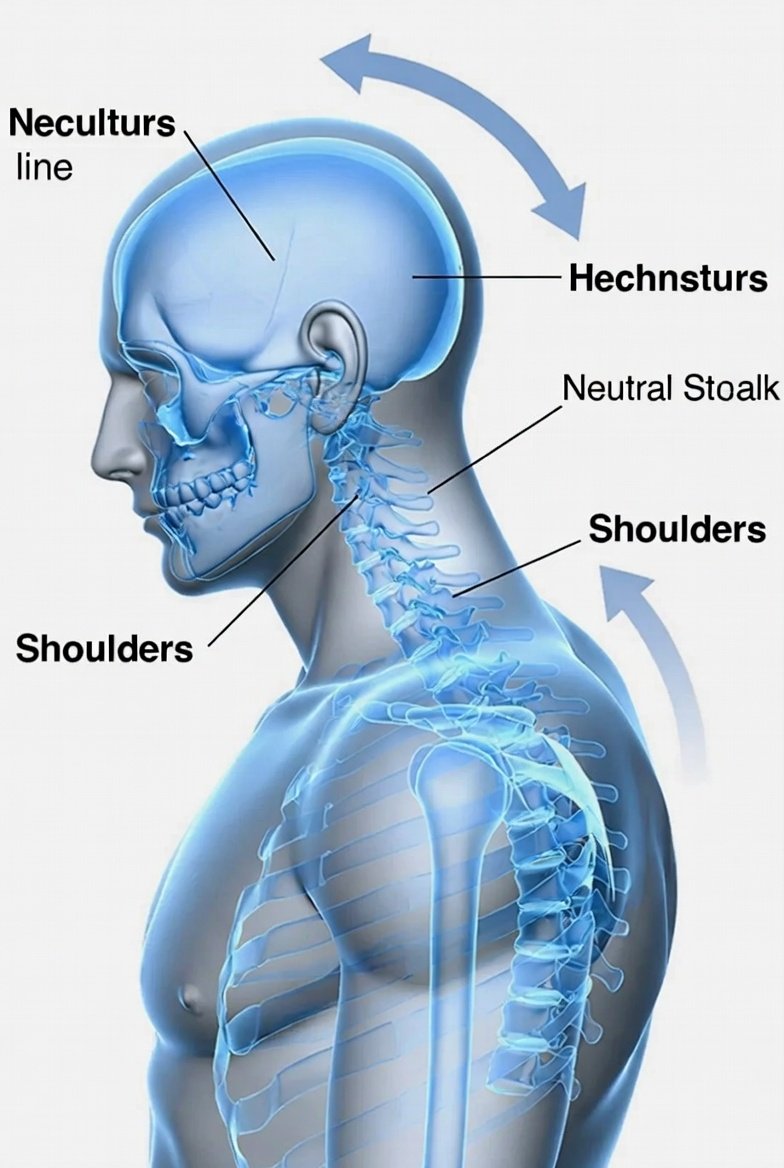
Waking up with neck pain is brutal because it can ruin the whole day before it starts. And while the pillow gets most of the blame, your mattress is often the silent trigger—especially if it lets your shoulders sink unevenly, tilts your chest, or creates a “hammock” that forces your neck into a strained angle.
This guide shows you how to choose the best mattress for neck pain using a clear decision system: what firmness works, which mattress types help most, how sleep position changes everything, what to avoid, and how to test correctly at home.
The Neck Pain Sleep Chain (What’s Actually Happening)
Neck pain from sleep usually comes from misalignment, not mystery.
A typical chain looks like this:
- Shoulders sink too much or too little
- Chest/upper torso tilts
- Head is forced up or down (even with a “good” pillow)
- Neck muscles stay tense all night
- You wake up stiff, tight, or sore
Key point: Neck pain is rarely just a head problem. It’s a head–shoulder–torso alignment problem.
Neck Pain Fit Check (30 Seconds)
Your mattress is likely contributing to neck pain if you notice any of these:
- You wake with neck stiffness that fades during the day, then returns after sleep
- Your pillow feels “wrong” no matter what you do
- You feel like your head is tilting up or down when you lie down
- Your shoulder feels jammed into the mattress (too firm) or collapses too deep (too soft)
- You see a dip/hammock in the upper third of the bed
Your pillow is the main culprit if:
- Neck pain is worse when you travel (different pillows)
- Your mattress feels supportive, but your head feels “floating” or “cranked”
- You wake with front-of-neck tightness (often pillow too high)
Most people with recurring neck pain need a setup fix, not a single product fix.
Mattress + Pillow: A Team (Not Solo Players)
Think of this as one system:
- Mattress controls shoulder/chest position
- Pillow controls head/neck angle
If the mattress lets shoulders collapse, your pillow has to “compensate.” That compensation usually becomes strain.
Quick pillow sanity check
- Too high → neck bends forward (flexion)
- Too low → neck bends backward (extension)
- Too soft → head tilts and rotates unpredictably
Even the best mattress for neck pain won’t feel right with the wrong pillow height.
Ideal Mattress Firmness for Neck Pain
Best general rule: medium to medium-firm
This range tends to:
- keep the torso stable
- support the upper back
- allow enough contouring for shoulders
- reduce the need for pillow over-compensation
When firmer helps
- heavier sleepers
- stomach sleepers (with very low pillow)
- people who sink deeply in foam and wake with a tilted neck
When medium-soft helps
- lightweight side sleepers
- side sleepers with sharp shoulder pressure
- people who feel numbness/tingling from pressure points
Very soft mattresses often worsen neck pain because they allow chest/shoulder collapse, which pulls the neck out of neutral.
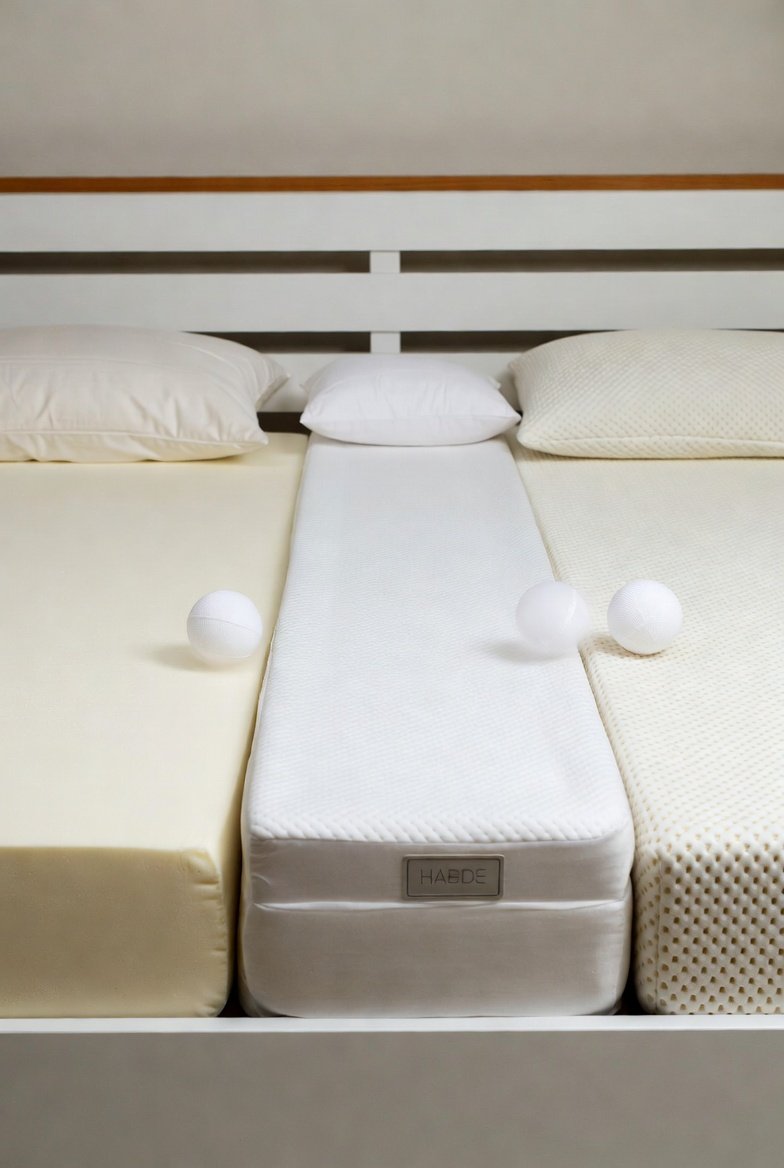
Best Mattress Types for Neck Pain
Hybrid mattress (best all-around)
A hybrid is usually the safest starting point because:
- coils keep the torso lifted
- comfort layers cushion shoulders
- the feel stays more stable over time than cheap foam
Latex mattress (best for alignment without “sink”)
Latex is buoyant and responsive:
- less deep sink than memory foam
- strong support for posture
- often sleeps cooler
Memory foam mattress (good if it’s the right kind)
Foam can help if it provides:
- shoulder pressure relief
- controlled contouring (not slow, deep sink)
Avoid overly soft foam that creates a “hole” under the upper body.
Innerspring (works only if comfort layers are legit)
Springs alone can feel harsh on shoulders. If the top layers are thin or cheap, neck pain can worsen.
Best Mattress for Neck Pain by Sleep Position
Side sleepers
Side sleeping is the most neck-sensitive position.
You need:
- enough shoulder sink to keep the spine straight
- enough support to prevent head drop
Best match: medium to medium-firm hybrid or adaptive foam
Common mistake: firm mattress + high pillow = shoulder compression + neck bend
Back sleepers
Back pain need balanced upper-body support.
You need:
- stable chest/upper back support
- gentle contouring under shoulders
Best match: medium-firm hybrid or latex
Common mistake: mattress too soft → shoulders sink → pillow pushes head forward
Stomach sleepers
Stomach sleeping puts the neck at risk fast.
You need:
- firm torso support
- very low pillow height
Best match: medium-firm to firm hybrid or firm latex
Common mistake: soft mattress + thick pillow = forced neck extension
If You Have Neck Pain + Shoulder Pain (Common Combo)
This combo usually means:
- top layers are too firm for your shoulders or
- the mattress is too soft and your shoulder collapses, pulling the neck
What helps most:
- a hybrid with a pressure-relieving top layer
- medium feel for most side sleepers
- a pillow loft that fills the gap without pushing the head up
Zoned Support: When It Helps (and When It Doesn’t)
Zoning can help neck pain when it:
- supports the torso without letting the upper body sag
- allows enough shoulder contouring for side sleepers
But zoning is not magic. If the comfort layers are wrong, zoning won’t save it.
Simple rule: You want stable torso support + shoulder-friendly contouring, not just “zones.”
What to Avoid (Neck Pain Red Flags)
Avoid mattresses that create any of these:
- Upper-body hammock effect (shoulders/chest dip)
- Too-firm top layer that crushes shoulders for side sleepers
- Too-soft foam that lets your head/upper spine drift downward
- Weak foundations (slats too far apart, wobbly base)
- No trial period or unclear return policies
If you wake up feeling like your head is “not level,” something in the setup is off.
Do This Tonight (Quick Fixes Before You Buy Anything)
1) Pillow loft test
Fold a towel under your pillow to increase loft slightly, then try removing it the next night.
If pain changes noticeably, pillow height is a major lever.
2) Shoulder sink test
Lie on your side and feel whether your shoulder is jammed up (too firm) or collapsing deep (too soft).
Either extreme can create neck strain.
3) Base stability check
A weak bed frame can mimic a bad mattress. If the base flexes, alignment fails.
These tests won’t replace the right mattress—but they’ll stop you from guessing.
How Long It Takes to Feel Relief
Neck pain is often muscular and posture-related, so improvement can be gradual.
- 1–2 weeks: initial adaptation
- 3–6 weeks: muscle de-tensioning for some people
- 60–90 nights: fair evaluation window
If pain stays the same (or worsens) after a proper trial, the mattress is likely the wrong match.
Sleep Trial & Warranty (Non-Negotiable for Neck Pain)
Look for:
- 90-night trial minimum
- easy exchanges/returns
- clear warranty terms
- clear sag policy
Avoid short trials. Neck alignment problems don’t always show up on night one.
Quick Buyer Checklist: Best Mattress for Neck Pain
Feature | Why It Matters |
Medium to medium-firm feel | Supports posture without harsh pressure |
Shoulder-friendly comfort layers | Reduces strain for side sleepers |
Stable torso support | Prevents head tilt and upper-body sag |
Durable support core (coils/latex) | Prevents long-term misalignment |
Real trial + clear return policy | Lets you test alignment properly |
Final Verdict: What’s the Best Mattress for Neck Pain?
The best mattress for neck pain:
- keeps head, shoulders, and torso aligned
- relieves shoulder pressure without letting the upper body collapse
- matches your sleep position and body weight
- holds support over time
- comes with a real sleep trial
Most people do best with a medium-firm hybrid because it balances support and comfort.
Decision Matrix:
Best overall: medium-firm hybrid • Best for “no sink” feel: latex • Best for side-sleeper shoulder pressure: adaptive foam or hybrid with thicker comfort layers
For broader context, compare firmness in the Mattress Firmness Guide and overall selection steps in the Mattress Buying Guide.
FAQs
What mattress firmness is best for neck pain?
Medium to medium-firm works best for most people because it balances support and contouring.
Can a mattress fix neck pain?
A mattress can reduce neck pain by improving sleep posture, but it won’t cure underlying medical conditions.
Should side sleepers with neck pain choose memory foam?
Yes—if it’s medium to medium-firm and relieves shoulder pressure without excessive sink.
Do firm mattresses help neck pain?
Sometimes for stomach sleepers, but for many side sleepers firm surfaces increase shoulder pressure and strain.
How long should I test a mattress for neck pain?
Ideally 60–90 nights. Neck alignment issues often take time to evaluate.