
Plush Mattress: What It Is, Who It’s Best For, and When to Avoid It
A plush mattress can feel like instant relief—especially if your shoulders or hips ache on firmer beds. The surface is softer, the pressure points calm down, and you finally feel like you can “settle in.”
But here’s the catch: plush comfort and good alignment aren’t the same thing.
For the right sleeper, plush is a pressure-relief upgrade. For the wrong sleeper, plush becomes hip sink, lower-back strain, and that annoying “I slept 8 hours but feel wrecked” feeling.
This guide explains what plush really means, who it works for, who should avoid it, and how to choose plush the smart way—using a quick fit test and a simple fix ladder.
What Is a Plush Mattress?
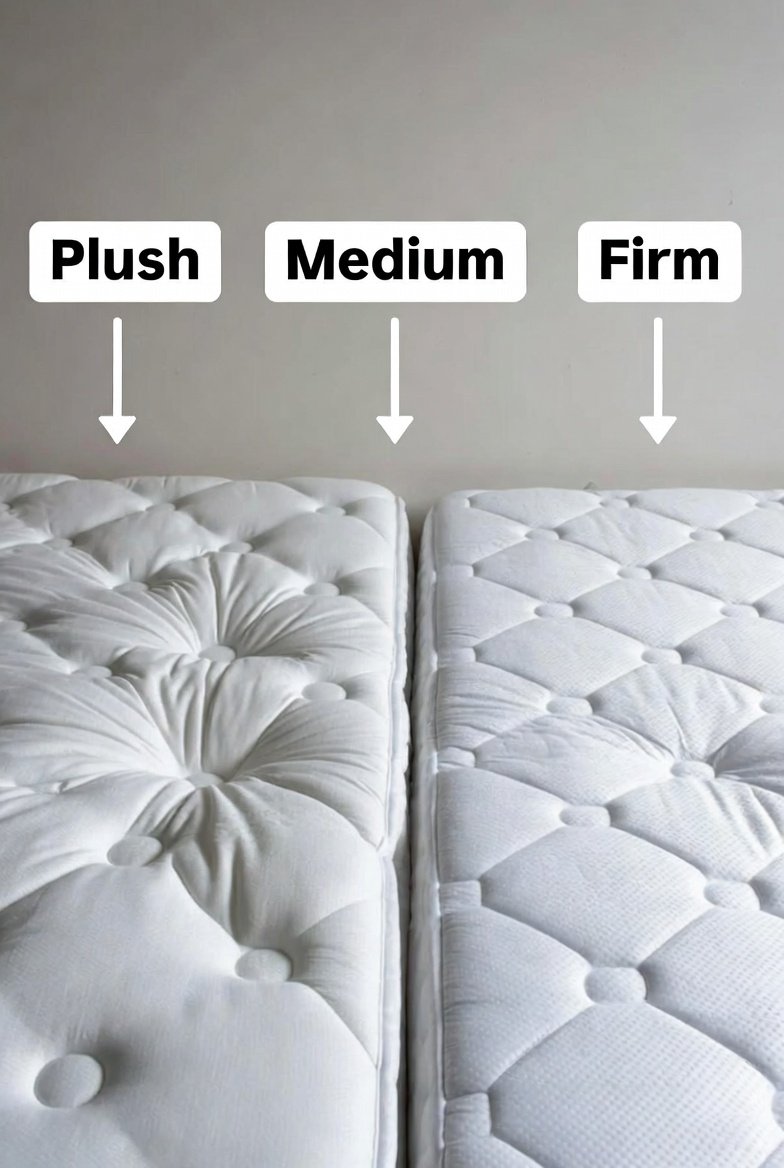
A plush mattress has a softer, more cushioned surface with noticeable contouring. Your body compresses the comfort layers more, especially around shoulders, hips, and joints.
Typical plush characteristics:
- Deep surface cushioning
- Higher pressure relief
- More sink and contouring
- Softer first impression than medium or firm beds
Plush describes surface feel, not support quality. A plush mattress can still be supportive if the support core is strong and the comfort layers don’t let your hips drop too far.
Also: firmness terms aren’t standardized. One brand’s “plush” can feel like another brand’s “medium.”
How Plush Does a Plush Mattress Feel?
Think of plush as a “soft-leaning” feel that still has some structure:
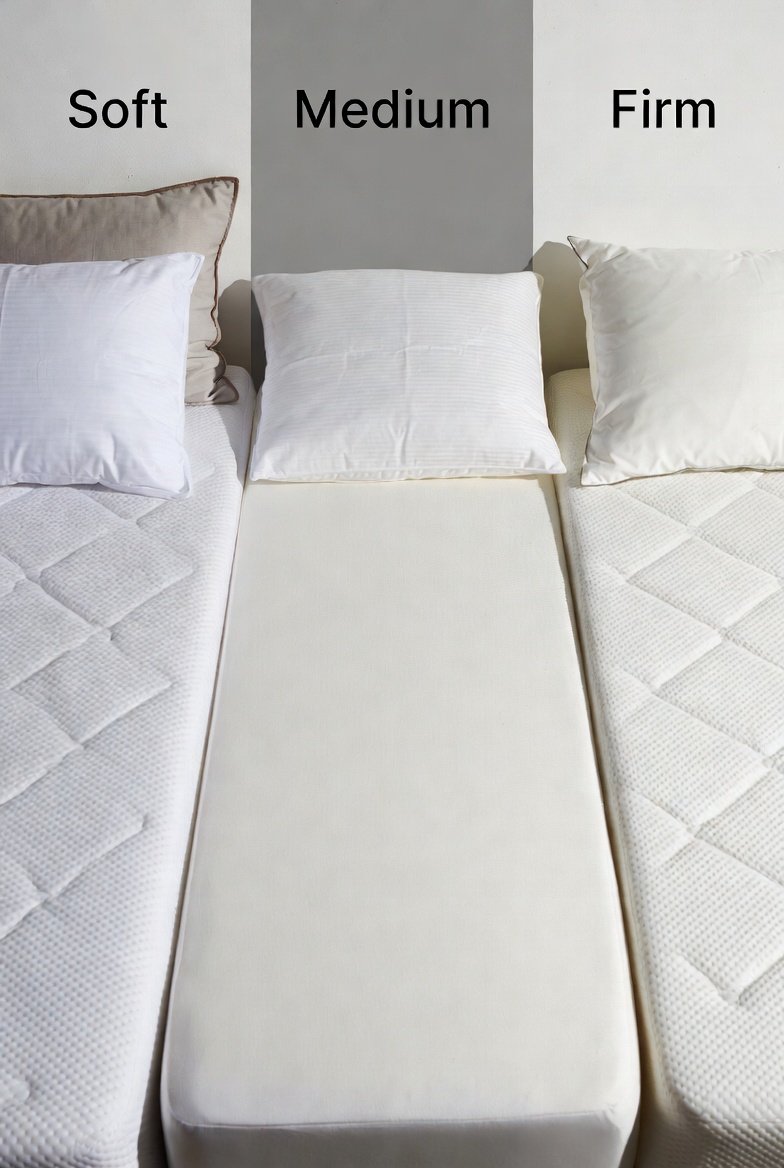
Soft → Plush → Medium → Medium-Firm → Firm
Plush sits between soft and medium. It’s usually:
- easier to compress
- more cradling at pressure points
- less rigid and less “on top”
But plush feel changes massively depending on:
- body weight
- sleep position
- materials (foam vs hybrid vs latex)
The Plush Fit Test (60 Seconds, No Guessing)
Use this after 3–7 nights (not a 2-minute showroom test).
Plush is likely right if:
- You sleep mostly on your side
- You’re lightweight or average weight
- You wake with shoulder/hip pressure pain or numbness
- Firmer beds feel “hard” even after a break-in period
Plush is likely wrong if:
- You sleep mostly on your stomach
- You’re heavier than average (deep sink risk)
- You wake with lower-back tightness (hips sinking)
- You feel stuck and struggle to change positions
Simple rule:
- Shoulder/hip pain often = too firm (needs more pressure relief)
- Lower-back tightness often = too soft (needs more support)
If you’re in the middle, medium or medium-plush usually wins.
Who Benefits Most From a Plush Mattress?
1) Side Sleepers
Side sleeping loads the shoulder and hip the most. Plush comfort layers can reduce pressure and help you stay asleep longer.
2) Lightweight Sleepers
Light bodies often don’t compress firmer beds enough to get real contouring—so plush gives them the cushioning they actually need.
3) People with Joint Sensitivity (Shoulders/Hips)
If pressure points wake you up, plush can feel like a real upgrade—as long as the support core keeps your hips from dipping too far.
4) “Cushy feel” sleepers
Some people simply sleep better when the surface feels softer and more cradling.
Who Should Avoid a Plush Mattress?
1) Stomach Sleepers
Plush often lets the pelvis sink, which can arch the lower back.
2) Heavier Sleepers
Heavier bodies compress plush layers more deeply. If the support core isn’t strong, plush can become “too soft” fast—alignment suffers, and durability drops.
3) Back Sleepers who already feel hip sink
If you wake with lower-back tightness, plush may worsen it.
Research around back pain often points toward medium-firm surfaces performing well for many people with low-back pain—because it balances support and comfort.
Plush vs Medium vs Firm (Quick Comparison)
Feature | Plush | Medium-Firm | Firm |
Sink | High | Moderate | Minimal |
Pressure relief | High | Balanced | Low |
Alignment stability | Variable | High | High (for right bodies) |
Best for | Side + light/avg sleepers | Many back sleepers + couples | Stomach + heavier sleepers |
Many people who think they want plush actually need medium-plush (soft surface + stable core).
Plush Mattress Decision Flow
Choose plush if:
- side sleeper
- light/average body
- pressure pain on firmer beds
- you want more contouring
Avoid plush if:
- stomach sleeper
- heavy body
- lower-back tightness on soft beds
- you feel stuck in the mattress
(Make this a visual flowchart for the page.)
Does Mattress Material Affect Plushness? Yes.
Plush Memory Foam
- deep contouring, strong pressure relief
- can trap heat if dense or poorly ventilated
- may feel “too sinky” for heavier sleepers
Plush Hybrid
- soft surface + coil support underneath
- often the most versatile plush option
- better movement and airflow than all-foam
Plush Innerspring
- plush top, firmer base
- contour depends on thickness/quality of comfort layers
- can feel less “hugging” than foam
Plush Latex
- plush but responsive (more pushback, less sink)
- durable and breathable
- feels “buoyant plush” rather than “sink plush”
Two “plush” mattresses can feel completely different depending on construction.
Plush, Pressure Relief, and Back Pain
Plush helps pressure points—but alignment still matters.
- Too plush: hips sink → lower-back strain
- Not plush enough: shoulder/hip pain
- Right plushness: pressure relief + stable alignment
The goal isn’t maximum softness—it’s balanced ergonomics.
Will a Plush Mattress Lose Support Over Time?
It can, especially if the comfort layers are low-density foam.
Common realities:
- plush beds tend to soften faster than firmer beds
- body impressions are more common on very soft surfaces
- hybrids/latex often hold shape better (depends on build)
The Plush Fix-Ladder (How to Get Plush Comfort Without Wrecking Alignment)
If you want plush but worry about support:
- Start with medium-plush hybrid (soft top + stable coils)
- If pressure pain remains, add a 2-inch topper (not 4 inches)
- If lower back tightness appears, step back to medium or medium-firm
- If you’re heavy, prioritize strong support core over ultra plush surface
Trial Periods: How to Evaluate Plush Correctly
- Look for 90–120 night trials
- Evaluate after 1–2 weeks, not one night
- Track morning stiffness + pressure pain separately
- If possible, choose brands with comfort exchanges
Limitations (Quick Safety Note)
Mattresses can influence pain, but pain has multiple causes. If pain is severe, persistent, or worsening, don’t treat a mattress change as medical care—consider talking to a clinician.
Final Verdict: Is a Plush Mattress Right for You?
A plush mattress can be amazing—but only if it matches your body and sleep position.
Choose plush if you:
- sleep on your side
- need pressure relief
- are light/average weight
- like a cushioned, cozy surface
Avoid plush if you:
- sleep on your stomach
- are heavier than average
- get lower-back tightness on soft beds
1-Line Decision Matrix:
Best for pressure relief: Plush (side sleepers) • Best overall balance: Medium/medium-plush • Best for stomach/heavier: Medium-firm/firm
For full context, see the Mattress Firmness Guide and the Mattress Buying Guide.