
Best Mattress for Arthritis: OA vs RA Pain Relief, Support, and Cooling Explained
Arthritis pain doesn’t politely stop when you lie down. For a lot of people, nighttime is when it gets loud: joints feel stiff, pressure builds in the hips and shoulders, and you start shifting positions just to find a “less bad” spot.
The problem is that arthritis pain isn’t just about “soft vs firm.” It’s about pressure + alignment + temperature—and the way those three interact depends heavily on whether you’re dealing with osteoarthritis (OA) or rheumatoid arthritis (RA).
This mattress buying guide walks you through a clean decision path so you can choose the best mattress for arthritis without guessing, overspending, or getting trapped by labels like “orthopedic” or “medical grade.”
Quick Answer (30-Second Fit Check)
If you want the short version before the details:
- If you wake up with deep stiffness and your joints feel “compressed” → you probably need better pressure relief (often medium with a supportive core).
- If you wake up with a sore lower back + hips feel like they “drop” → you probably need more support (often medium-firm with stronger mid-section stability).
- If heat makes your joints feel worse or you wake up sweaty and achy → you need cooler materials and airflow (hybrids, breathable foams, latex, and cooling bedding help).
Now let’s choose correctly—step by step.
Step 1: Know Your Arthritis Type (OA vs RA Changes the Mattress Choice)
Arthritis isn’t one thing, so the “right mattress” isn’t one thing either.
Osteoarthritis (OA)
OA is degenerative. Joints often hate poor alignment and concentrated pressure.
- Common areas: hips, knees, lower back, shoulders
- Typical sleep problem: pressure hotspots + stiffness from misalignment
OA-friendly mattress goal:
Structure + stable support + pressure relief without sagging.
Rheumatoid Arthritis (RA)
RA is inflammatory. Many people with RA are more sensitive to:
- pressure
- heat
- long periods in one position
RA-friendly mattress goal:
Pressure relief + temperature control + gentle contouring without “stuck” sink.
Bottom line:
- OA usually benefits from slightly more structure (often medium-firm).
- RA often benefits from slightly more cushioning + cooler feel (often medium to medium-soft).
Step 2: Ideal Mattress Firmness for Arthritis (Use a Simple Scale)
Forget brand labels. Use a functional range.
Best firmness range for most arthritis sleepers
- Medium (5–6/10) → most common “sweet spot”
- Medium-firm (6–7/10) → often better for OA, back sleepers, heavier bodies
- Medium-soft (4–5/10) → sometimes better for RA or very pressure-sensitive side sleepers
Two extremes usually backfire
- Very firm → increases joint pressure (hips/shoulders suffer first)
- Very soft → increases sag and misalignment (lower back/hips suffer first)
Step 3: Body Weight Changes How Firmness Feels (This Matters a Lot)
Your body compresses the mattress differently, so the same bed feels different person to person.
Use these simple weight groups
- Lightweight: under ~150 lb
- Average: ~150–220 lb
- Higher weight: over ~220 lb
Best firmness targets by weight
Best firmness guide targets by weight
- Lightweight: medium or medium-soft (needs more surface give)
- Average: medium to medium-firm
- Higher weight: medium-firm with stronger support (hybrid/latex often holds up better)
Common arthritis mistake: choosing “soft for pain” while being heavier—then the hips sink, alignment fails, and pain shifts into the lower back.
Step 4: Best Mattress Types for Arthritis (What Actually Works)
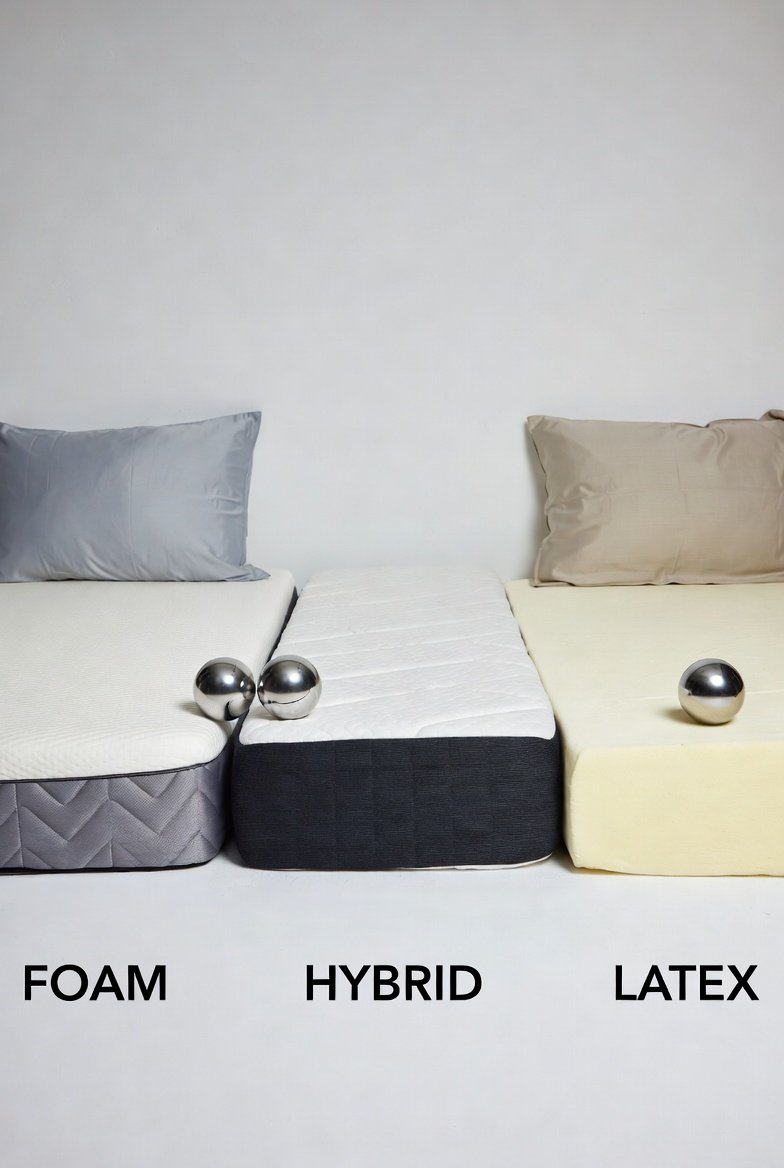
Hybrid Mattress (Best all-around for most arthritis sleepers)
A hybrid combines foam comfort layers with coil support underneath.
- Usually offers better stability than all-foam
- Tends to sleep cooler due to airflow
- Often easier to move on compared to deep memory foam
Best for: OA, mixed sleepers, couples, higher weight sleepers, people who change positions.
Memory Foam Mattress (Best for pressure relief—if you choose carefully)
Memory foam can reduce pressure at painful joints—but it can also trap heat or feel “stuck.”
Choose options that prioritize:
- medium to medium-firm
- breathable build
- supportive base layer
- not overly plush on top
Best for: RA (if heat is managed), side sleepers, shoulder/hip pain.
Latex Mattress (Best for mobility + cooler, responsive support)
Latex tends to feel:
- buoyant (less sink)
- easier to change positions
- naturally more breathable than dense foams
Best for: OA with stiffness, combination sleepers, people who dislike “hugging” foam, hot sleepers.
Innerspring Mattress (Only works if the top layer is built for pressure relief)
Basic springs alone often feel too firm on joints. If you go spring-based, you typically need:
- thicker comfort layers
- pressure-friendly materials on top
Best for: people who prefer a traditional feel and have the right comfort layer thickness.
Step 5: Zoned Support (When It Helps and When It’s Just Marketing)
Zoning can help arthritis sleepers—but only if it solves a real alignment problem.
When zoning helps
- hips sink too much → needs firmer mid-section support
- shoulders feel jammed → needs softer shoulder comfort
- lower back feels unsupported → needs better lumbar stability
When zoning is just noise
If the mattress feels uneven, or the “zones” create pressure edges, it can worsen discomfort.
Practical rule: zoning should make you feel more level, not “bent.”
Step 6: Cooling Matters (Especially for RA and Heat-Sensitive Sleepers)
Many arthritis sleepers notice pain feels worse with heat or poor sleep quality from overheating.
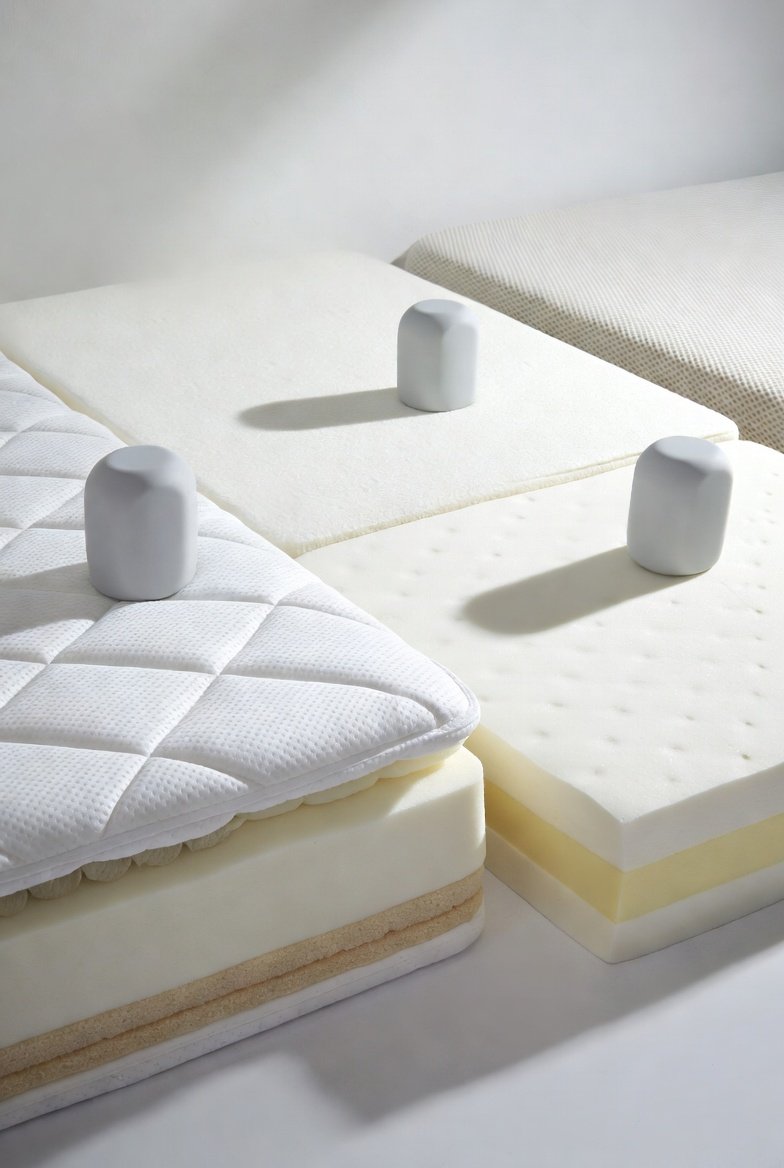
What helps cooling (without gimmicks)
- hybrids (airflow through coils)
- latex (more breathable feel)
- breathable covers (cotton, bamboo blends)
- lighter bedding + breathable protector
- cooler room temp if possible
What to be cautious with
- dense, non-breathable foams that feel “hot” and trap you in one position
You’re not trying to buy “ice bed technology.” You’re trying to avoid a setup that turns your mattress into a heat sponge.
Step 7: Mobility and Getting In/Out of Bed (Arthritis Buyers Forget This)
If you have hip, knee, or spine arthritis, the mattress must be livable—not just comfortable.
Look for
- stable edges (so sitting on the side doesn’t collapse)
- supportive mid-section (helps with posture transitions)
- a surface you can move on (latex/hybrid often easier than deep foam)
If you feel “stuck,” you’ll toss more—and that alone can worsen joint irritation.
Step 8: Choose by Sleep Position (Arthritis Edition)
Side Sleepers
Most joint pressure hits shoulders + hips.
- Aim for medium (often 5–6/10)
- prioritize pressure relief
- consider a knee pillow to reduce hip torque
Back Sleepers
Focus on lumbar support + gentle contouring.
- aim for medium-firm (often 6–7/10)
- avoid sagging mid-sections
Stomach Sleepers
Least arthritis-friendly for many people. If you’re stuck with it:
- you need a firmer, flatter surface
- keep pillow very low
- avoid plush tops that let hips sink
Common Mistakes Arthritis Sleepers Make
- Buying the softest bed and ending up misaligned
- Buying the firmest bed and inflaming pressure points
- Ignoring OA vs RA differences
- Ignoring body weight
- Ignoring cooling and sleep temperature
- Skipping a real sleep trial and getting trapped
Buyer Archetype Guide (No Brands, No Hype)
Use this table to choose the right build style.
Your Situation | Best Feel Target | Best Build Type | Why It Works |
OA + back pain or hip stiffness | Medium-firm (6–7/10) | Hybrid or Latex | Stability + alignment without harshness |
RA + pressure sensitivity | Medium (5–6/10) | Cooling foam or Hybrid | Pressure relief with support |
Side sleeper + shoulder/hip pain | Medium (5–6/10) | Hybrid or Foam | Cushions joints, reduces pressure hotspots |
Higher weight + arthritis | Medium-firm (6–7/10) | Hybrid or Latex | Prevents deep sink, holds alignment |
Hot sleeper + arthritis flare sensitivity | Medium (5–6/10) | Hybrid or Latex | Cooler sleep, less overheating discomfort |
Struggle to move/turn due to stiffness | Medium (5–6/10) | Latex or Hybrid | More responsive surface, easier mobility |
How Long to Test a Mattress for Arthritis Relief
Arthritis comfort isn’t a one-night decision.
- Week 1–2: your body adapts to new support
- Weeks 3–6: stiffness patterns often improve if fit is right
- By 60–90 nights: you can judge honestly
If pain stays the same or worsens after a real trial window, the mattress fit is wrong—usually firmness or support mismatch.
Final Verdict: Best Mattress for Arthritis
The best mattress for arthritis is the one that:
- matches your OA vs RA needs
- reduces joint pressure points
- keeps the spine neutral
- avoids overheating
- stays supportive over time
- comes with a real sleep trial
Best overall for most arthritis sleepers: a medium to medium-firm hybrid (balanced support + pressure relief + airflow).
If RA pain is strongly heat/pressure sensitive: a cooler-feel foam build or latex/hybrid often feels better.
If mobility and turning are a problem: latex or responsive hybrids can be easier to live with.
1-line decision matrix:
Best overall: Medium-firm hybrid • Best for RA heat sensitivity: Cooler medium hybrid/foam • Best for mobility: Responsive latex or latex-hybrid
FAQs
What mattress firmness is best for arthritis?
Most arthritis sleepers do best with medium to medium-firm because it balances pressure relief with alignment.
Is a firm mattress good for arthritis?
Usually not. A mattress that’s too firm can increase pressure at painful joints—especially shoulders and hips.
Are soft mattresses good for arthritis pain?
Sometimes for lightweight, pressure-sensitive side sleepers—but very soft mattresses often worsen alignment and stiffness for many people.
Does heat worsen arthritis at night?
Many people report worse sleep comfort when overheated. A cooler, more breathable setup can improve rest and reduce nighttime discomfort.
How long should arthritis sufferers test a mattress?
Ideally 60–90 nights, because joint comfort and stiffness patterns can take time to settle.